

Anger Management
In Real Life - NOT like in the Movie; Remember the old film strips?

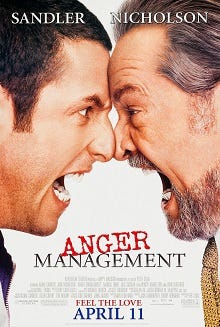
Some of us have more anger problems than others. As a kid I no doubt learned anger behavior from those older than myself. One of the rules in our house was “Don’t make Dad angry.” It didn’t happen often, but when Dad got truly angry there was trouble ahead.
When I was in 3rd or 4th grade I had trouble seeing, but didn’t realize I needed glasses. Nobody knew.
On the Little League baseball field I kept striking out, swinging at pitches way out of the strike zone.
I remember one game in particular. The other pitcher was wild, but threw hard. My coach told me “Just take the pitch.”
But I didn’t know what that meant. And since I couldn’t see the ball coming I was afraid it would hit me.
And what did the coach mean by “take the pitch?” Did he want me to swing at it and take it into right field?
So I swung at everything.
The coach was furious and ripped me a good one.
Dad was mad too. When we got home he stood me up in the backyard and threw baseballs at me to show me that it didn’t really hurt that bad when a pitch hit you.
ANGER.
I couldn’t wait for baseball season to end.
It wasn’t until the school year started that the teacher figured out I needed glasses.
Remember the old film strips?
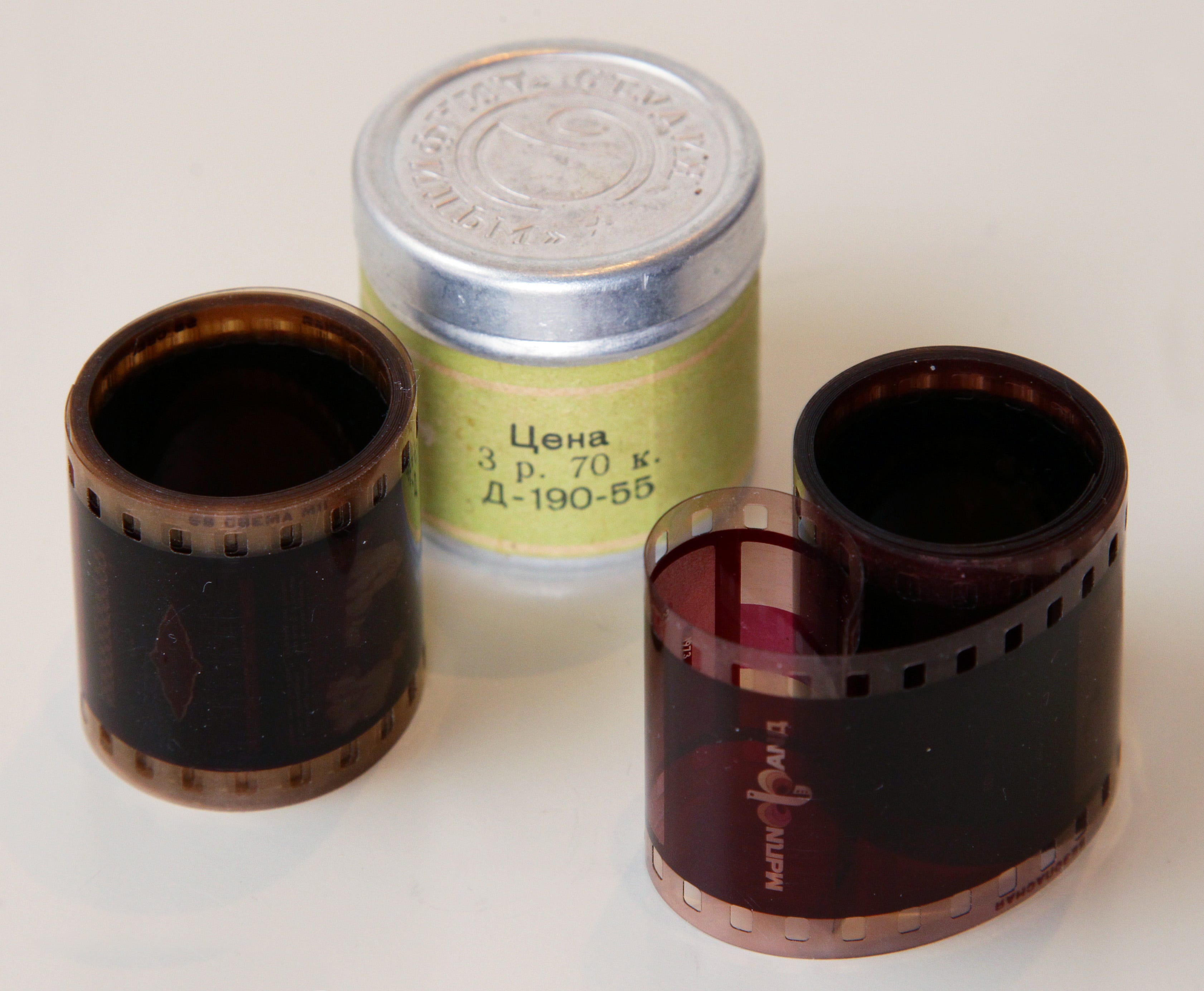
They came in a can as shown above. You put them into a projector and the image appeared on the screen. Sometimes there was a record that would accompany the film strip. A beep would announce when it was time to advance the film. When VHS video came along in 1976 the old film strips soon became a thing of the past.
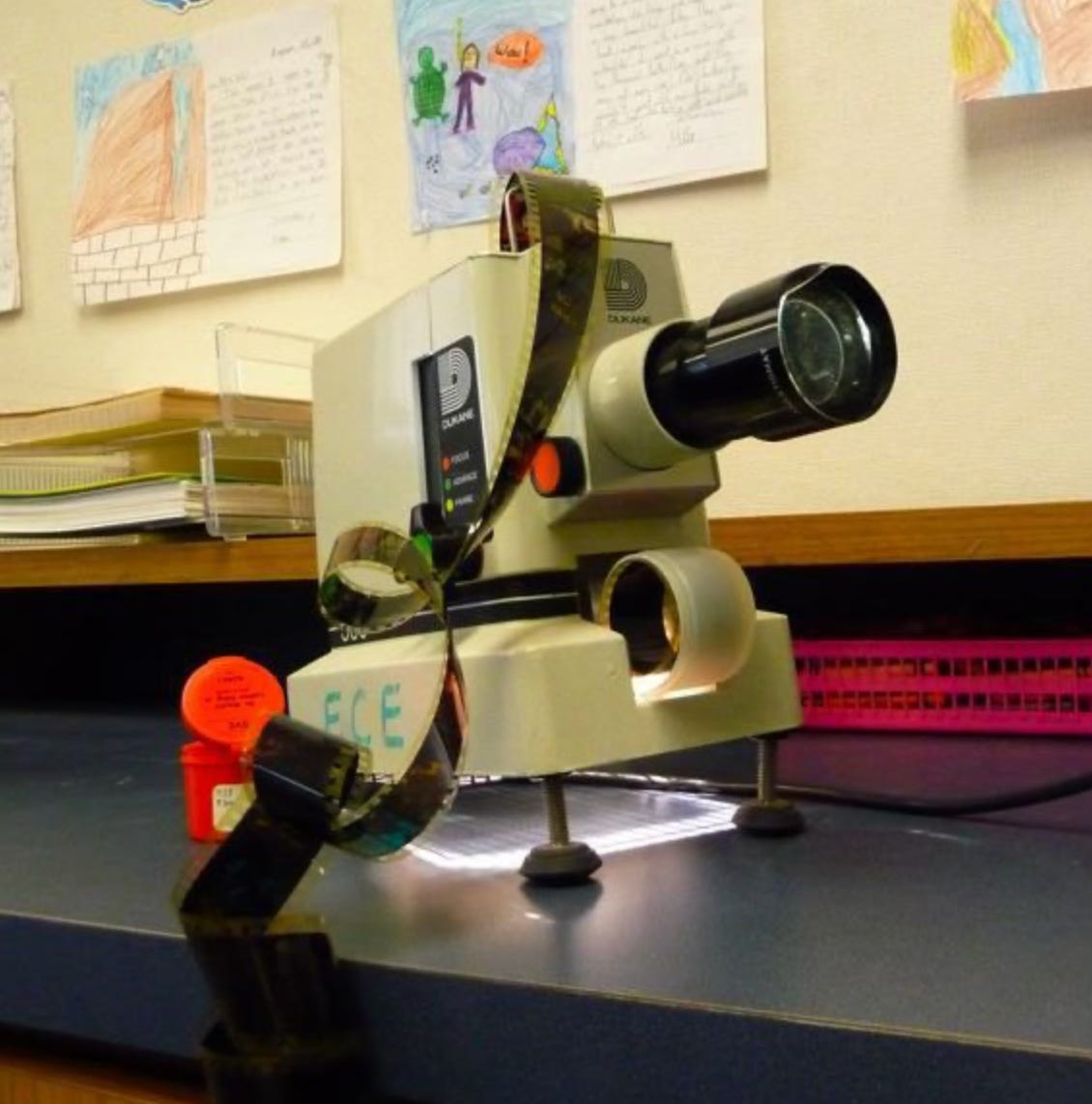
But when I was growing up the film strips were great! Teachers and kids both loved them. Often there would be words at the bottom of the screen that could be read.
One day at the beginning of 4th grade my teacher Mrs. Shaeffer asked me to be the reader. But I couldn’t see the blurry words from my seat. So I asked her if I could come up to the front of the room. She permitted me to do so.
That afternoon the teacher sent a note home with me:
“David needs a vision test.”
Next thing I knew - Voila! - Glasses!
I could see~! I remember going home from the optometrist wearing my new glasses. I couldn’t believe the Beauty of the Earth. The trees! The leaves! The details!
The following Summer I went out for baseball again. Remembering my dismal performance of the year before, nobody wanted me on their team. Finally I got chosen.
What a year I had! Singles and doubles flew off my bat!
My Grandpa, who lived almost 3 hours away, showed up for one of my games. I played the best baseball of my life. I still remember the triple I hit like it was yesterday.
“Nice hitting kid,” my Grandpa said. “I used to play ball…”
Anger prevents us from finding solutions to real problems. Anger never solves anything.
I found this excellent article on the internet, 3 Rs for Managing Anger: Recognize, Reflect, and Respond.
I’ve added a fourth R, relax:
Recognize: Understand the signs of anger. You need to recognize it early before it takes over. I can usually feel it coming on. You may think you have no choice, but you do. There may be physical signs, such as tension, increased heart rate, clenched fists or jaw, or flushing. You might feel you are misunderstood or things are “just not fair.”
Relax: Breathe deeply, call a time out, take a walk. At this point you only have a few minutes, or even less, to prevent the volcano from erupting.
Reflect: Pause and Process. Instead of reacting you need to reflect: "Why am I angry?” “Am I assuming something that may not be true?” “Am I improperly assuming the other person has motives to hurt me?”
Respond: Choose a constructive action. Once you have relaxed and reflected on your anger, you can respond. Responding requires intention, thoughtfulness and respect for yourself and others.
In the response phase use your emotional intelligence to respond to the issue without harming your relationship or your own integrity.
Here are some suggested ways to respond:
Set boundaries: “I’m not okay with being yelled at. Let’s continue this when we’re both calm.”
Offer repair: Perhaps, after reflection, you realize that you are the problem. Just apologize and take responsibility.
Problem solve: How can I help? What solution will work for both of us?
Express your thoughts assertively, not aggressively.
Don’t suppress your anger or become passive.
Maybe the other person just needs glasses to help them see your side of things. Maybe it’s you that can’t see clearly. Or perhaps both of you need a different perspective.
At any rate, anger won’t solve the problem. Easy to say, but it takes real practice.
I’ve had anger issues myself. I regret the times I’ve reacted angrily. I’ve usually expressed anger towards someone I love, which makes it even worse. To those out there with whom I’ve been angry in the past, including my wife, son, co-workers and others, I’m sorry.
And I’m also curious. What is this Anger? Humans have described and documented this emotion since we first began to write.
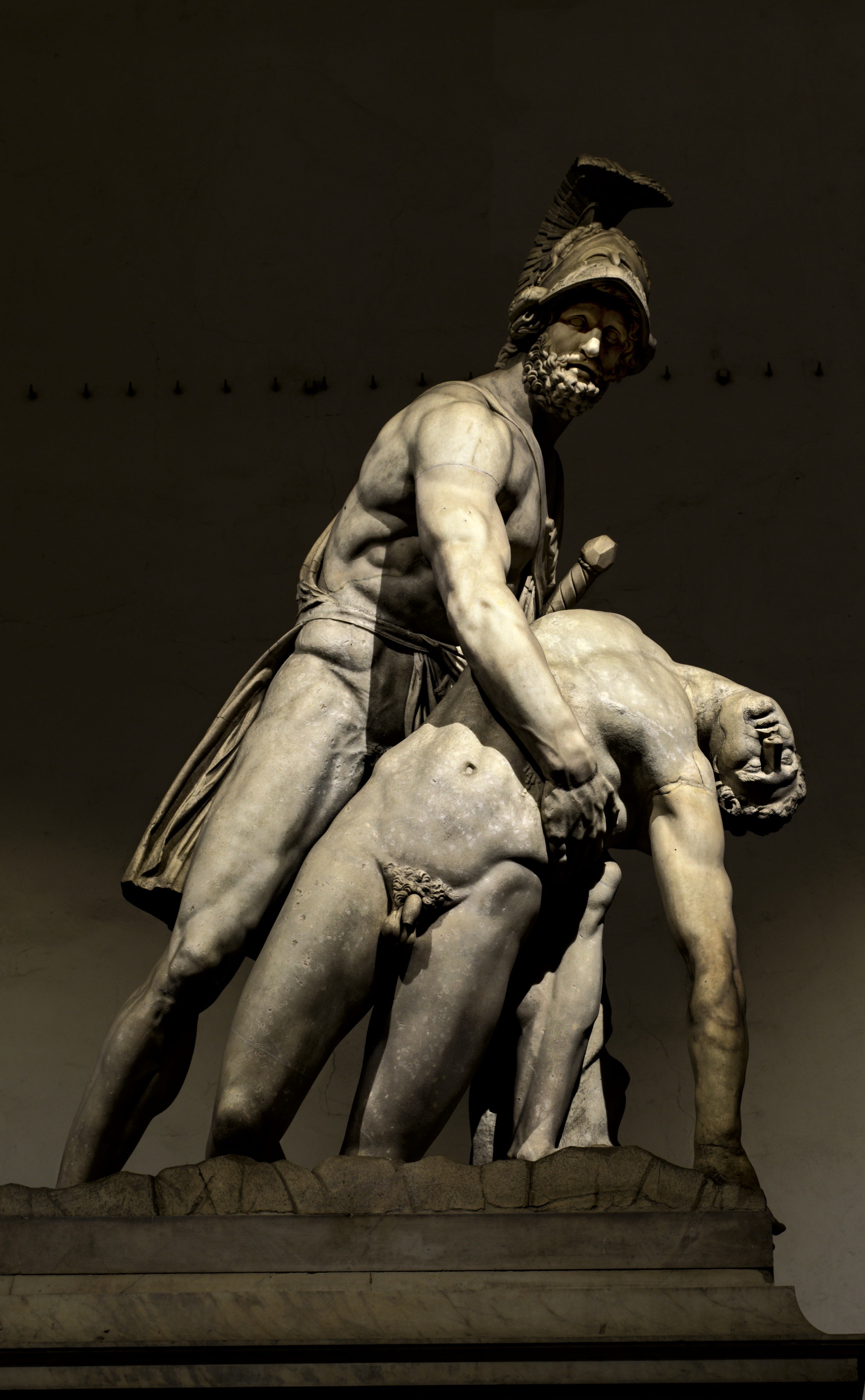
Above: Menelaus supporting the body of Patroclus, Loggia dei Lanzi, Florence, Italy, Roman Marble sculpture of Greek Bronze, c. 200 BCE CC

Homer begins his Iliad with these opening lines:
Anger now be your song, immortal one,
Achilles’ anger, doomed and ruinous,
that caused the Achaeans loss on bitter loss
and crowded brave souls into the undergloom,
leaving so many dead men—carrion
for dogs and birds; and the will of Zeus was done.
Begin it when the two men first contending
broke with one another—
 the Lord Marshal
Agamémnon, Atreus’ son, and Prince Achilles.
The Iliad, Book I, Homer. Robert Fitzgerald translation, 1974.
Anger (specifically the Greek term mēnis, μῆνις, meaning a divine-like, all-consuming rage or wrath) is the first word, central theme, and primary driver of the plot in the Iliad. This unchecked emotion leads to catastrophic loss and moral isolation.
I wonder, is there anything good about anger? What if we could engineer future human beings to be anger-free? Should we do it?
Where does anger come from and where does it go?
I want to explore these questions more deeply in future posts. Perhaps by understanding anger we can better understand ourselves and our emotions.
Have you dealt with anger in yourself or others? How do you manage it?
Credits:
Do you subscribe to Donald J. Robertson? If not you should at least check him out. He’s a cognitive-behavioural psychotherapist, and wrote books such as “How to Think Like a Roman Emperor: The Stoic Philosophy of Marcus Aurelius”, “How to Think Like Socrates”, and the Stoicism graphic novel “Verissimus.” He’s founder and president of the Plato’s Academy Centre in Athens. His recent excellent Substack Note on Anger motivated me to share some thoughts about anger and anger management.
Also full credit to 3 Rs for Managing Anger: Recognize, Reflect, and Respond, from which I borrowed liberally.

Thanks so much for traveling along~! I’m so glad you’re here~!
Thanks for this well worded essay - I struggle with anger almost daily with 3 young boys. I find my anger never helps or solves the situation and usually just makes it worse. I have been working so hard on refocusing and looking for solutions and trying to keep my anger in check. Hard when they push your buttons but it definitely makes things go better overall.
In Little League, I played on a team called the Yankees. Mr. Collins was coach and Mr. Jolie was an assistant. I was an outfielder most games. But I remember hitting a homerun. We won the pennant that year and I kept that little statue for decades. 1970. All gone now.